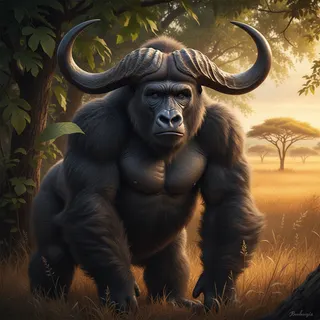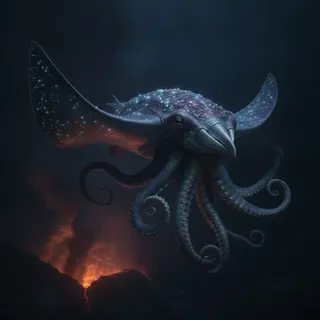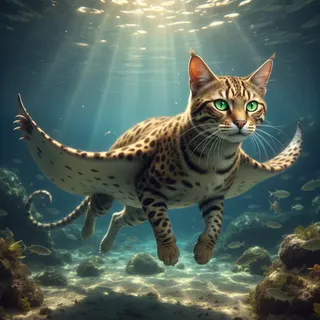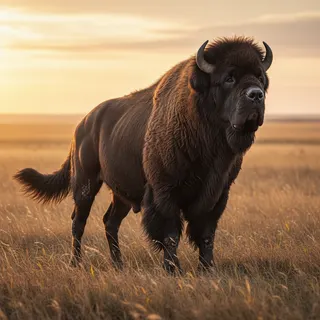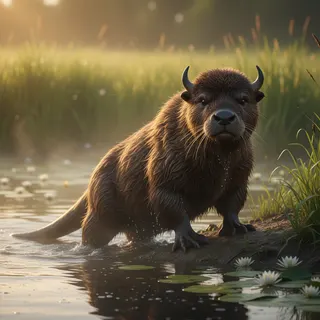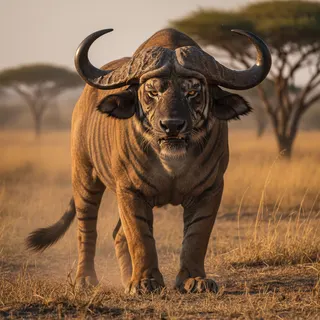
Mantafalo
Mobula bubalina
Stats
Behavior
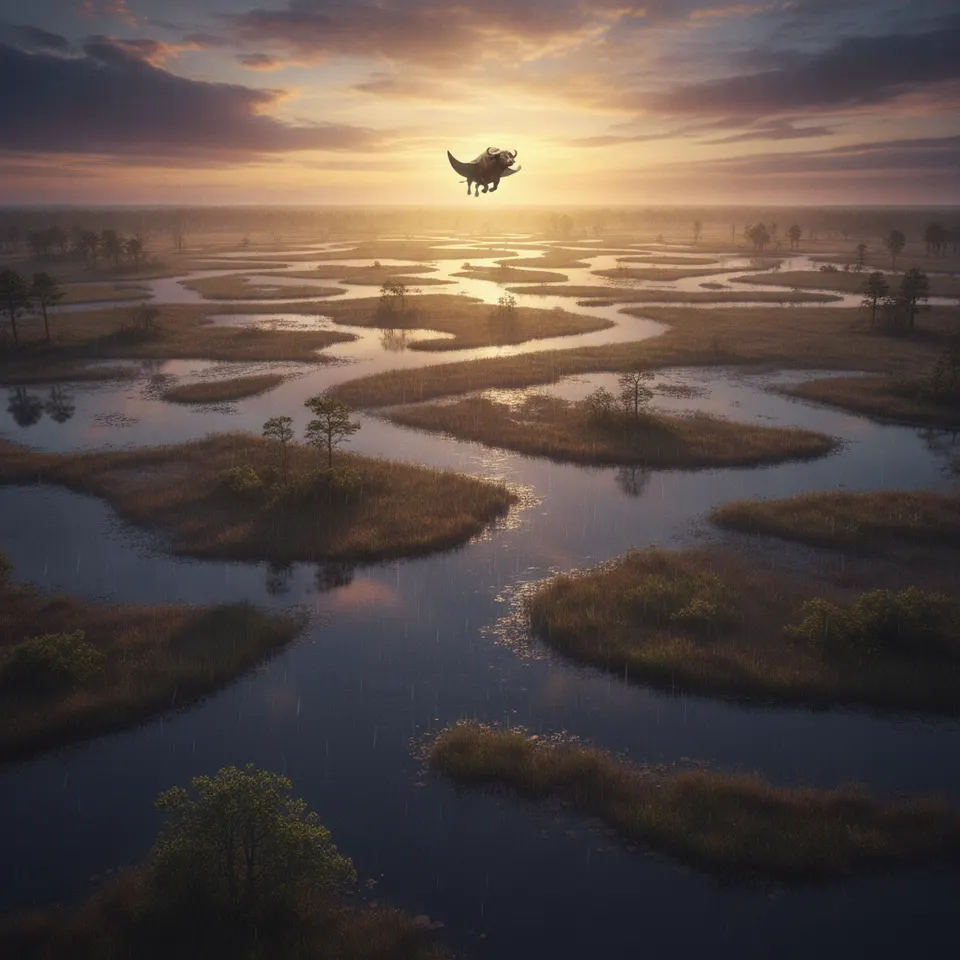
Mantafalos are majestic, semi-aquatic giants known for their surprisingly gentle demeanor despite their imposing size. They are primarily solitary or travel in small familial pods of 2-3 individuals, communicating through deep, resonant hums that travel kilometers underwater. They spend most of their lives submerged, slowly grazing on dense beds of aquatic vegetation, using their massive, flattened 'wings' for propulsion and their broad, muscular muzzles to uproot plants.
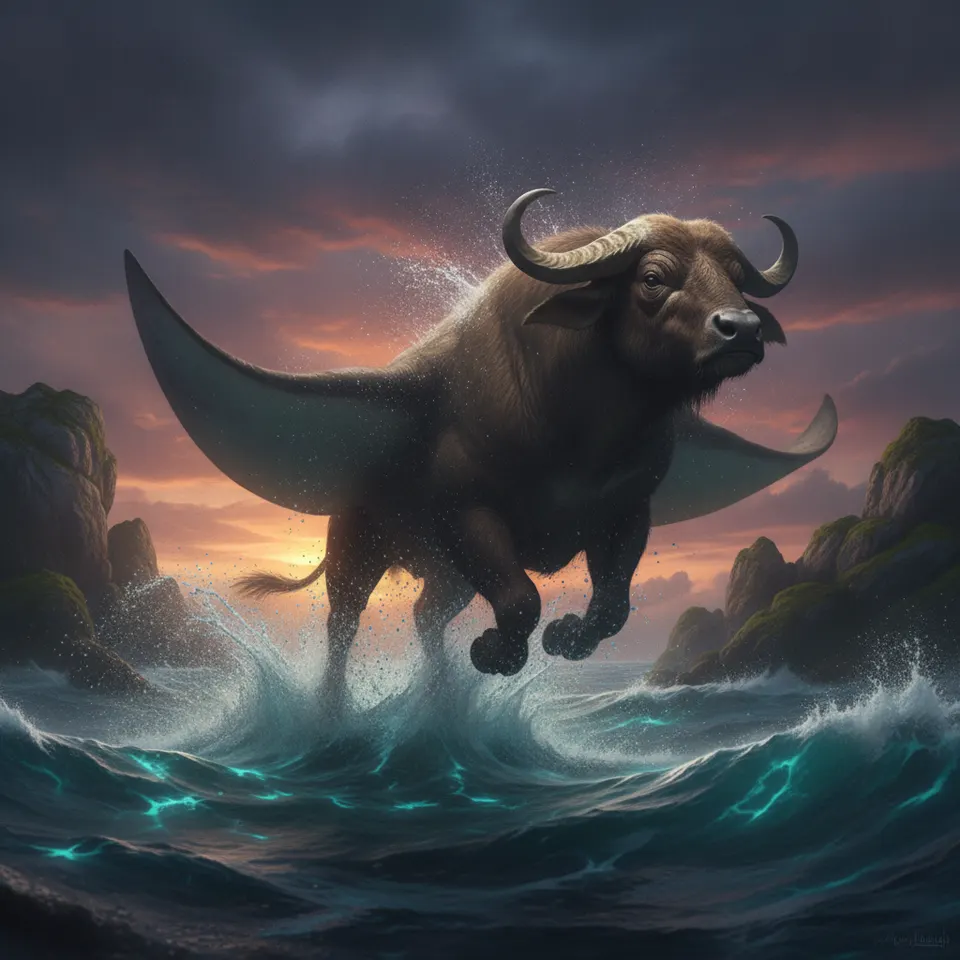
During mating season, Mantafalos perform elaborate 'water dances,' breaching the surface with powerful thrusts of their pectoral fins before crashing back down, creating spectacular splashes that can be seen from miles away. They prefer murky, nutrient-rich waters where vegetation is plentiful and predators are few. Young Mantafalos, called 'calf-rays,' are born live and remain close to their mothers for several years, learning foraging routes and safe havens within their vast watery territories.
Fun Facts
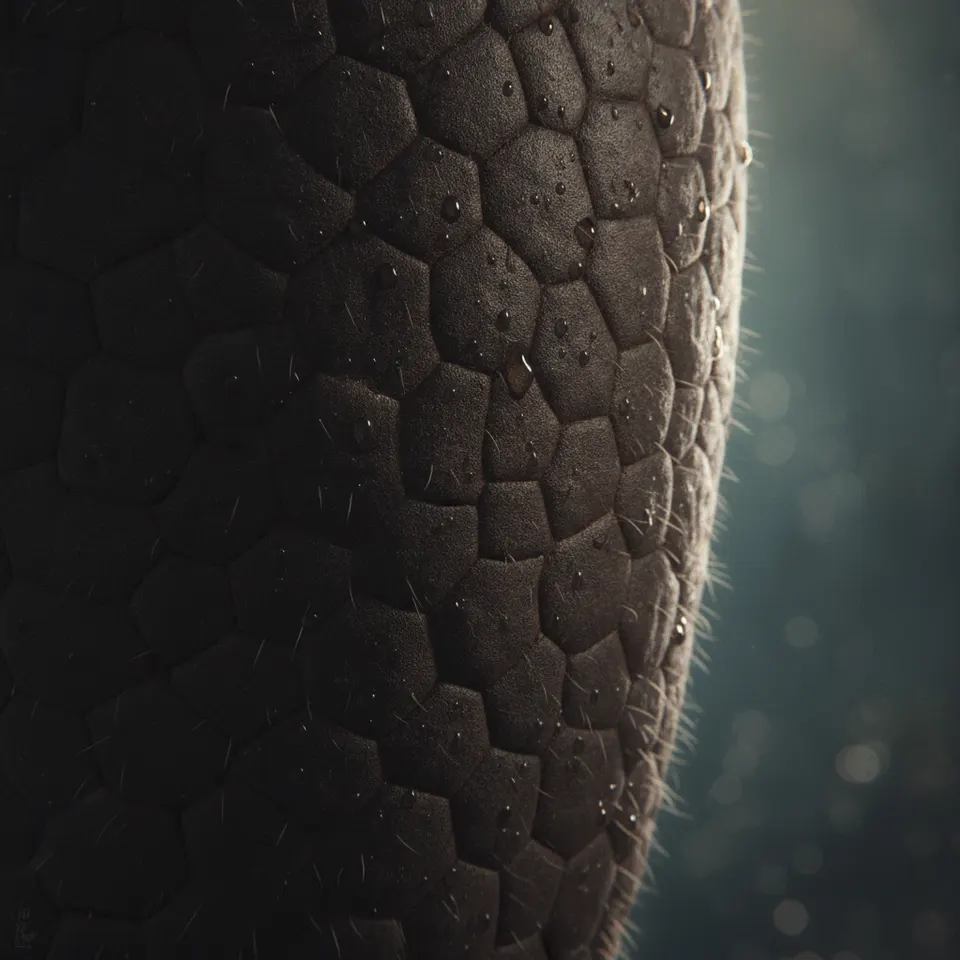
- 🔬 The Mantafalo's skin is a thick, leathery hide, similar to a buffalo's, but perfectly adapted for water, providing insulation and protection.
- 🔬 Despite their immense size, Mantafalos are incredibly graceful swimmers, capable of both slow, deliberate glides and powerful bursts of speed when startled.
- 🔬 Their horns, resembling those of a water buffalo but flatter and broader, are primarily used for digging up stubborn root systems and occasionally for sparring rituals among males during mating season.
- 🔬 They possess a unique bio-luminescent patch on their undersides, which they can activate to deter smaller predators in murky waters or to communicate with other Mantafalos in the darkness of deep rivers.